Process Standards.
The Taldon methodology describes how nutritionist guidance is structured, documented, and reviewed. It is the operational layer between an individual's food patterns and the outcome of a sustained healthy eating habits programme. This page documents all six process stages in their current version.
Food Pattern Observation
The first stage is a seven-day observation of current food patterns. No guidance is issued during this period. The individual records meals, portion sizes, meal timing, and approximate preparation methods. The record forms the baseline for all subsequent programme design.
Nutritional Composition Analysis
The baseline record is analysed against published nutritional research to identify micronutrient balance gaps, portion control discrepancies, and the presence or absence of key food groups: vegetables and fruits, whole foods, and gut-friendly ingredients. Analysis is documented and archived as revision 01-A of the programme file.
Programme Architecture
The analysis is used to design a structured programme: a meal planning calendar, daily portion control targets, a list of recommended food categories prioritising seasonal cooking and whole foods, and a schedule of building food habits milestones. The architecture document is issued at the start of the first active session.
Active Session Provision
Sessions are delivered at the cadence agreed in the programme architecture. Each session covers one or two topic areas from the plan: mindful eating, specific gut-friendly recipes, seasonal cooking techniques, active lifestyle nutrition timing, or weight management composition review. Session notes are written and archived within 24 hours of each session.
Mid-Programme Calibration
At the midpoint of each programme, the baseline food pattern record is compared against the current pattern. Discrepancies between the programme architecture and observed outcomes are documented and the programme design is adjusted. The calibration produces a revision-02 document updating portion control targets, meal planning schedules, and ingredient recommendations where needed.
Closing Review and Archive
The final session produces a closing review document summarising the full programme: baseline comparison, session coverage, outcome observations, and a forward maintenance structure. The review is archived in the practice record system as the definitive programme file. A maintenance schedule is issued for independent continuation of the healthy routine.
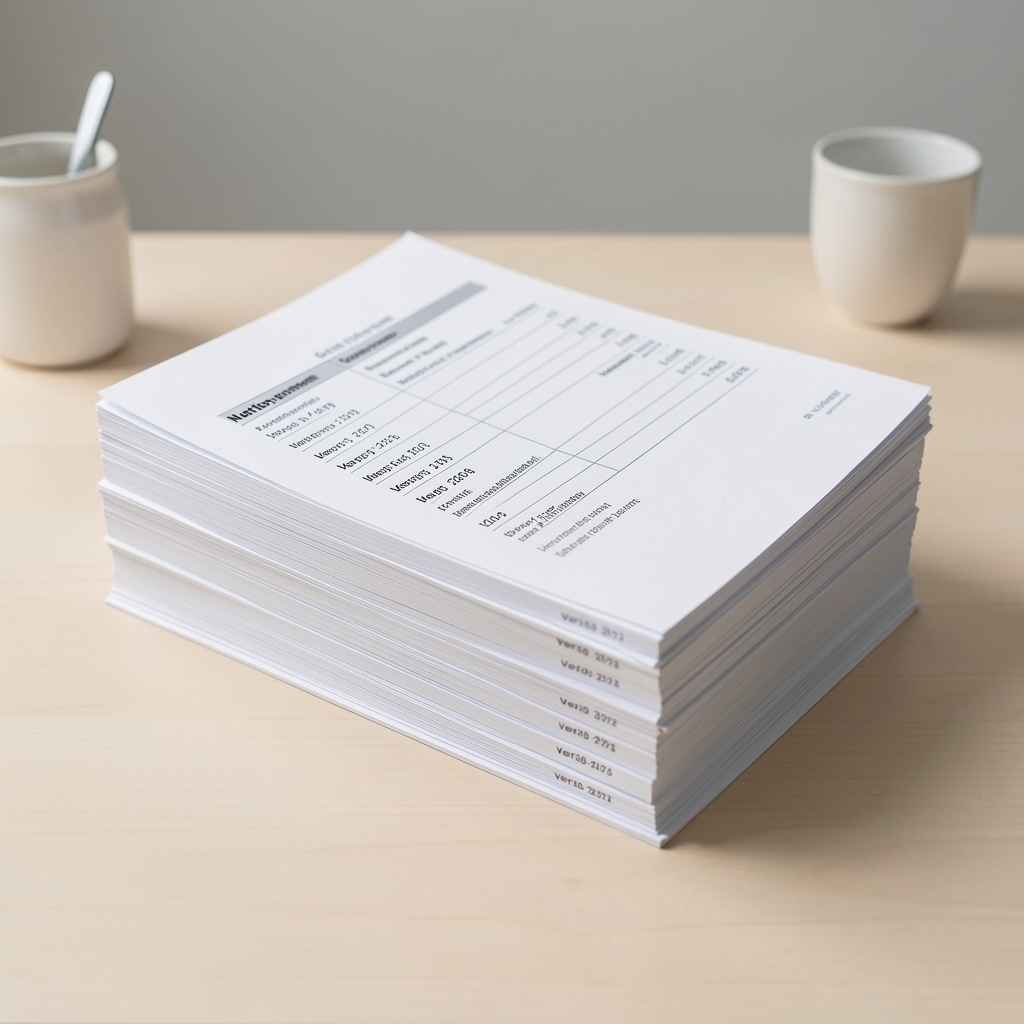
Every document produced in the Taldon methodology follows a fixed versioning format: [programme-id]-[stage]-[revision-letter]. Programme IDs are generated at intake and are unique to each individual engagement. Stage codes correspond to the six process stages above. Revision letters increment when content is updated.
All documents are dated at creation and archived in the practice record system. Revision history is preserved: no prior version of a document is deleted. This ensures that the full progression of a programme from baseline to closing review is recoverable at any point.
The documentation system was reviewed in Q1 2026 as part of the v3.2 methodology update. The primary change in v3.2 was the addition of the mid-programme calibration stage (Stage 05) as a formal step with its own document output rather than an informal check.
Ingredient Selection Criteria
All ingredient recommendations prioritise minimally processed whole foods with documented nutritional composition. Where processed ingredients are referenced, the processing method and its effect on micronutrient balance is noted in the session record.
UK Seasonal Calendar
Seasonal cooking recommendations follow the UK seasonal produce calendar, updated quarterly. Seasonal vegetables and fruits are prioritised because their nutritional profiles are more consistent and their sourcing chain is shorter and better documented.
Gut-Friendly Classification
Gut-friendly recipes are classified against a four-criterion checklist: fibre content, fermented ingredient presence, low refined-sugar composition, and preparation method that preserves rather than degrades nutritional content. All gut-friendly recipe bank entries carry this classification label.
Research Citation Standard
Nutritional claims in programme documents are referenced to published nutritional research. Sources are cited by journal, year, and author where possible. No guidance is issued based on unpublished or commercial-interest material.
Portion Control Reference
Portion control targets are expressed in gram-weight where possible. Visual reference guides (hand-size, plate-ratio) are used as a supplement to gram-weight, not as a replacement, because visual estimation varies significantly between individuals.
Methodology Review Schedule
The full methodology is reviewed annually in Q1 against recent publications in applied food science and nutrition. The current version (3.2, Q1 2026) reflects updates to the mid-programme calibration protocol and the gut-friendly recipe classification criteria.
Where specific food products or suppliers are referenced in programme documentation, sourcing provenance is noted at the category level. The practice does not endorse individual retailers or brands. Recommendations are made at ingredient type and quality-tier level, leaving purchasing decisions to the individual.
For London-based individuals, the programme documents include a seasonal sourcing reference guide covering Borough Market categories, Marylebone farmers market availability, and certified organic wholesale suppliers that accept individual orders. This guide is updated quarterly with each seasonal cooking cycle update.
Active ingredients in any supplementary nutritional products are sourced from documented suppliers, with each batch accompanied by a certificate of composition. Sourcing prioritises suppliers whose facilities maintain food-grade processing standards.

Start with an Intake Assessment
The first stage of any programme is the seven-day food pattern observation. To begin, submit an intake enquiry via the contact form.